
John G. Lake: The Man Who Believed Christianity Must Be Demonstrated
Discover the life of John G. Lake — the businessman turned missionary and healing evangelist whose ministry in South Africa and America became known for bold faith, prayer, divine healing, and radical surrender.
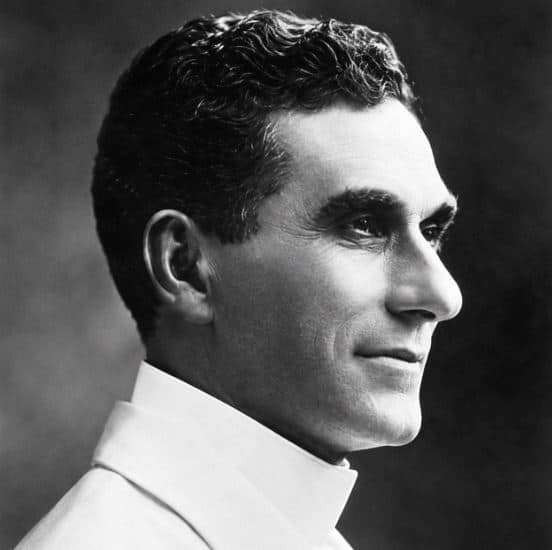
Who Was John G. Lake?
John Graham Lake was a Canadian-born businessman, missionary, preacher, and healing evangelist whose ministry became one of the most discussed healing movements of the early twentieth century.
He is often remembered as the “Apostle of Africa” because of his missionary work in South Africa between 1908 and 1913. His ministry became associated with conversions, church planting, healing testimonies, and a bold theology of the believer’s authority in Christ.
But the real force of Lake’s life is not merely in the miracles attributed to his ministry. The real force is in the question his life asks every believer: do we actually believe Christianity is meant to be demonstrated?
Lake did not view Christianity as theory, religious habit, or church attendance. He believed the life of Jesus Christ was meant to be expressed through ordinary believers by the power of the Holy Spirit.
— John G. Lake
A Childhood Marked by Sickness and Loss
John G. Lake was born on March 18, 1870, in St. Mary’s, Ontario, Canada. His family later moved to the United States, settling in Michigan.
Lake grew up in a family deeply acquainted with sickness and death. Several of his siblings died from disease, and illness marked his household in ways that shaped the direction of his life.
That background matters. Lake’s later emphasis on divine healing did not emerge from shallow triumphalism. It came from a man who had watched disease destroy people he loved.
For Lake, healing was not a topic for religious debate. It was a desperate question: is the power of Jesus Christ still available against sickness, suffering, and death?
Ruthless lesson: Lake’s theology of healing was born in pain, not comfort. Be careful of criticizing from safety what others have wrestled for through suffering.
Business Success Was Not Enough
Before becoming widely known as a minister, John G. Lake was a successful businessman. He worked in journalism, real estate, and financial services, and he achieved a level of material success that many people would have considered the evidence of a fulfilled life.
But Lake was not satisfied by success alone. He carried a spiritual hunger that business could not silence.
He had encountered the claims of Christ, the promises of Scripture, and the possibility that the Church was meant to walk in far more power than it commonly displayed.
This is one of the turning points of Lake’s story. He had something to lose. He was not a desperate man trying ministry because nothing else had worked. He was a successful man who became convinced that obedience to God mattered more than security.
The Healing Question
Lake’s hunger for divine healing intensified through personal experiences of sickness in his family and through encounters with healing ministries of his time.
He became convinced that the healing ministry of Jesus was not only a historical memory but a present reality. He believed the same Christ who healed in the Gospels still healed through surrendered believers by the power of the Holy Spirit.
This conviction shaped everything that followed.
Lake did not treat healing as a side issue. He saw it as part of the demonstration of the Kingdom of God — evidence that Christ’s victory touched spirit, soul, and body.
That conviction made him bold. Sometimes too bold for cautious religion. But it also made him impossible to ignore.
The Baptism of the Holy Spirit
John G. Lake’s ministry took a decisive turn after what he described as a deep encounter with the Holy Spirit.
He spoke of the Spirit’s power not as a doctrine he merely accepted, but as a living force that changed the way he prayed, preached, and ministered to the sick.
For Lake, the baptism of the Holy Spirit was not a badge of spiritual status. It was power for service. It was the life of God flowing through a yielded human vessel.
That is why his language often sounds intense. He believed divine life was meant to operate through believers in a real, tangible way.
— John G. Lake
The Decision to Go to Africa
In 1908, Lake made one of the defining decisions of his life. He left business success behind and went to South Africa as a missionary.
This was not a small adjustment. It was not a safe career transition. It was a costly act of obedience.
Lake went with his family, limited financial security, and a deep conviction that God had called him. That decision exposed the difference between admiring faith and living by faith.
Many people like the idea of radical obedience until it threatens their savings, status, comfort, and backup plans.
Lake’s life confronts that compromise.
South Africa and the Apostolic Faith Mission
Lake’s ministry in South Africa became one of the most significant chapters of his life. He preached, prayed for the sick, trained workers, and helped establish what became connected with the Apostolic Faith Mission movement in South Africa.
Reports from this period describe widespread conversions, church planting, and many healing testimonies. His work touched both public meetings and personal ministry among the sick.
Lake did not try to build everything around himself. One of the important lessons from his South African work is multiplication. He trained others to pray, preach, and minister.
A ministry that cannot multiply usually dies with the personality that started it. Lake understood that the work had to be bigger than one man.
The Plague Story and the Need for Discernment
One of the most famous stories connected to John G. Lake is the account of his ministry during a plague outbreak in South Africa.
The story is often told as an example of fearless faith: Lake reportedly worked among the sick without contracting the disease and demonstrated confidence that the life of God in him was greater than the power of sickness.
This story has inspired many believers, but it must be handled responsibly. It should not be twisted into reckless behaviour, denial of medical wisdom, or pressure on sick people to prove their faith.
Lake’s courage is worth studying. But courage is not the same as foolishness. Faith must never become spiritual arrogance.
Important balance: healing ministry must never be used to shame sick people, reject medical help, or turn faith into performance. A serious theology of healing must also carry compassion, humility, and pastoral wisdom.
The Death of Jennie Lake
One of the hardest parts of John G. Lake’s story is the death of his first wife, Jennie, in South Africa in 1912.
This moment forces honesty. Lake preached divine healing. He saw many healing testimonies. Yet he also suffered personal loss that did not fit neatly into a simple formula.
That tension matters.
Mature faith does not pretend every question is easy. Lake continued to believe in divine healing, but his own story reminds us that healing ministry exists in the tension between bold faith and deep mystery.
The strongest faith is not the faith that has never faced loss. It is the faith that keeps trusting God after the loss it cannot fully explain.
The Spokane Healing Rooms
After returning to the United States, Lake became closely associated with the Divine Healing Rooms in Spokane, Washington.
People came for prayer, and many testified of healing. The Spokane ministry became one of the most famous healing ministries of the early Pentecostal era.
The Healing Rooms were not merely meetings. They represented a system of prayer ministry, training, and expectation that ordinary believers could be equipped to minister to the sick.
This was one of Lake’s most important contributions: he did not want healing ministry to remain the possession of a few famous preachers. He wanted believers trained to demonstrate the life of Christ.
Lake’s Theology of Divine Healing
John G. Lake believed divine healing was rooted in the victory of Jesus Christ. He connected healing to the authority of the believer, the power of the Holy Spirit, and the life of God overcoming the works of darkness.
His language was bold. He spoke of the Spirit’s power as something real, active, and demonstrable.
But this boldness must be handled carefully today. A theology of healing that lacks compassion can wound people. A theology of healing that lacks faith can become powerless. The Church needs both courage and tenderness.
Lake’s life challenges prayerless unbelief. His losses challenge simplistic triumphalism. Hold both, or you will misread him.
Prayer Was the Hidden Engine
Like every serious revival figure, Lake’s public ministry rested on private prayer.
He believed prayer was not a religious formality but a place of spiritual transaction. Prayer shaped his faith, sharpened his authority, and sustained his ministry through pressure, grief, and opposition.
Lake’s healing ministry cannot be separated from his prayer life. To admire the miracles while ignoring the hidden altar is spiritual laziness.
The modern Church often wants demonstration without consecration. Lake’s life refuses that shortcut.
— John G. Lake
Why John G. Lake Still Matters Today
John G. Lake still matters because modern Christianity often separates belief from demonstration.
We say Jesus heals, but we rarely pray with expectation. We say the Holy Spirit empowers believers, but we often live as though power belongs only to the past. We say the Kingdom of God has come, but we frequently settle for religious language without spiritual evidence.
Lake’s life challenges that disconnect.
He does not allow us to hide behind theory. He presses the question: what should the life of Christ look like in a believer who is fully yielded?
That question remains dangerous — and necessary.
Questions Lake Forces Us to Ask
- Do I believe Christianity is meant to be demonstrated, or only explained?
- Am I building a prayer life strong enough to carry the authority I ask God for?
- Do I treat healing with both faith and compassion?
- Have I confused caution with wisdom, or boldness with presumption?
- Would I obey God if obedience cost me comfort, reputation, and security?
Famous John G. Lake Quotes
- “Christianity is not a religion of theory. It is a religion of demonstration.”
- “God intends that every Christian shall be a demonstration of the life of Jesus Christ.”
- “Prayer is not overcoming God’s reluctance. It is laying hold of His willingness.”
- “God never planned that the Church should be weak and defeated.”
- “The Word of God is the sword of the Spirit. Use it like one.”
- “You cannot demonstrate what you do not possess. Get the reality first.”
Lessons From John G. Lake’s Life
1. Public power requires private consecration.
Lake’s ministry was not merely built on bold preaching. It was built on prayer, surrender, and costly obedience.
2. Faith must be demonstrated, not merely discussed.
Lake believed the life of Christ should be visible through believers.
3. Healing ministry needs both boldness and humility.
His life challenges unbelief, but his losses warn against simplistic formulas.
4. Radical obedience has a real cost.
Lake left business success and security to obey the call of God.
5. Multiplication matters.
Lake trained others. He did not want the ministry of healing limited to one platform or personality.
Frequently Asked Questions
Who was John G. Lake?
John G. Lake was a businessman, missionary, preacher, and healing evangelist known for his ministry in South Africa and the United States, especially his teaching on divine healing and the authority of the believer.
Why was John G. Lake called the Apostle of Africa?
He became known by that title because of his missionary work in South Africa, where his ministry was associated with conversions, church planting, and healing testimonies.
What were the Spokane Healing Rooms?
The Spokane Healing Rooms were a ministry of prayer for the sick associated with Lake’s work in Washington, where many people came for prayer and testified of healing.
What did John G. Lake believe about healing?
Lake believed divine healing was part of the victory of Jesus Christ and that believers were called to minister in the power of the Holy Spirit.
Did John G. Lake experience personal loss?
Yes. His first wife, Jennie, died in South Africa in 1912. This remains one of the most sobering parts of his story because it shows the tension between bold healing faith and painful unanswered questions.
When did John G. Lake die?
John G. Lake died on September 16, 1935, in Spokane, Washington, at the age of 65.
Recommended Book
To go deeper into John G. Lake’s life, sermons, and healing theology, begin here:
Disclosure: As an Amazon Associate, Fire Trail may earn from qualifying purchases.
Final Reflection: Demonstration, Not Theory
John G. Lake’s life leaves the Church with a dangerous question:
Is our Christianity only explained, or is it demonstrated?
Lake did not settle for religious language without spiritual reality. He believed the life of Jesus Christ was meant to flow through surrendered believers.
That conviction cost him comfort. It cost him security. It led him into risk, sacrifice, grief, and controversy.
But it also produced fruit that still challenges believers today.
Do not imitate Lake’s boldness without his prayer life. Do not claim his authority without his consecration. Do not preach healing without compassion for the suffering.
But do not hide behind caution either.
The same Christ who healed then is still Lord today. The question is whether we will become vessels through whom His life can be demonstrated.