
William J. Seymour: The Humble Preacher Who Ignited the Azusa Street Revival
Discover how a preacher rejected by a Los Angeles congregation helped lead a prayer movement that became one of the most influential revivals in modern Christian history.
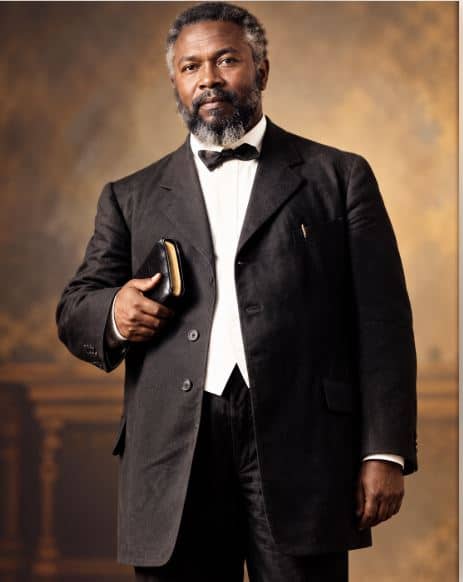
Who Was William J. Seymour?
William Joseph Seymour (1870–1922) was an African American holiness preacher whose leadership of the Azusa Street Revival in Los Angeles helped carry Pentecostal Christianity around the world. From an unremarkable building at 312 Azusa Street, a congregation devoted to prayer, repentance and the baptism of the Holy Spirit became a meeting place for people from many nations and backgrounds.
Seymour was not the only pioneer of Pentecostalism. The movement had earlier roots, and its expansion depended on numerous women and men whose names are less familiar today. Yet his ministry gave the emerging movement a remarkable international centre and a vision of Christian fellowship that challenged the racial divisions of his age.
His life raises a searching question: what happens when a congregation values the presence of God more than reputation, comfort or religious respectability?
Born into a World of Racial Injustice
Seymour was born on 2 May 1870 in Centerville, Louisiana, to parents who had experienced slavery. He grew up in the American South in a society where the end of legal slavery had not brought racial equality. Poverty, discrimination and restricted opportunities formed the background of his early years.
As a young man, he travelled in search of employment and became involved in Christian communities shaped by the holiness movement. He was influenced by its teaching on conversion, sanctification and the expectation that believers should live in practical obedience to Christ.
An illness left Seymour blind in one eye. Neither physical hardship nor the prejudice he encountered prevented him from pursuing Christian ministry. These experiences did not make his calling easy, but they help explain the extraordinary significance of his later leadership in a multiracial revival.
Houston: Learning About the Baptism of the Holy Spirit
In Houston, Texas, Seymour came into contact with Lucy Farrow, an African American holiness leader, and with the teaching of Charles Fox Parham. Parham had been associated with the Pentecostal awakening in Topeka, Kansas, in 1901 and taught that speaking in tongues was the initial biblical evidence of baptism in the Holy Spirit.
Seymour attended Parham's Bible school in Houston in 1905–1906. Accounts of his studies describe the racial restrictions that prevented him from participating on equal terms with white students. He nevertheless engaged seriously with the teaching and became convinced that the promise of Acts 2 was relevant to believers in his own generation.
At that point Seymour had not himself spoken in tongues. He was preaching a doctrine that he believed Scripture taught while still seeking the experience he described. His willingness to continue seeking would soon become central to the Los Angeles story.
Rejected in Los Angeles, Welcomed into a Home
In February 1906, Seymour travelled to Los Angeles after being invited to minister to a small holiness congregation associated with Julia Hutchins. His teaching on Spirit baptism and tongues provoked opposition, and he was eventually excluded from the congregation's meeting place.
Rejection might have ended his ministry in the city. Instead, Seymour found hospitality among believers who wanted to continue studying Scripture and praying. Meetings were held in the home of Edward Lee and then in the home of Richard and Ruth Asberry on North Bonnie Brae Street.
These gatherings were modest in outward appearance. They had no elaborate platform, publicity campaign or institutional influence. Their participants prayed, fasted, studied the book of Acts and sought the baptism of the Holy Spirit. What happened there in April would bring people from across Los Angeles to their door.
9 April 1906: The Bonnie Brae Outpouring
On 9 April 1906, Edward Lee spoke in tongues after prayer, and later that evening others at the Bonnie Brae gathering also began speaking in tongues. Jennie Evans Moore, who would later marry Seymour, was among the early participants. The believers understood these events as an outpouring of the Holy Spirit in keeping with Acts 2.
Seymour continued seeking and, according to early Pentecostal accounts, received the baptism of the Holy Spirit and spoke in tongues on 12 April. News spread quickly. Meetings drew increasing numbers of people, and crowds gathered outside the house.
The testimony of the early participants was that they had encountered the living God. They did not regard tongues as a performance or an end in itself, but as part of a larger call to worship, witness and surrender to Christ.
— Acts 2:4 (KJV)
312 Azusa Street: A Humble Building Becomes a Revival Centre
The growing gatherings soon moved to a former church building at 312 Azusa Street, which had subsequently been used for other purposes. The Apostolic Faith Mission began meeting there in April 1906. The premises were plain, with improvised seating and none of the architectural grandeur associated with prominent churches.
Services often continued for many hours, and visitors described prayer, preaching, singing, testimonies, repentance and speaking in tongues. Accounts from participants also report divine healing and other spiritual manifestations. These testimonies are important to the revival's history, although individual claims should be assessed according to the evidence available.
The mission became a place where people came not simply to observe an unusual meeting but to seek God. Its message travelled far beyond the building as visitors returned to their communities and carried Pentecostal teaching and testimony with them.
The Holy Spirit, Tongues and the Purpose of Power
Seymour's Pentecostal convictions were grounded in the conviction that the baptism of the Holy Spirit remained a promise for the Church. Acts 2:4 records that the disciples were filled with the Holy Spirit and spoke in other tongues as the Spirit enabled them. Accounts of Cornelius's household in Acts 10 and the disciples at Ephesus in Acts 19 were also important to early Pentecostal teaching.
Speaking in tongues became a defining feature of the movement, but Seymour's ministry cannot be reduced to one spiritual gift. His preaching also stressed conversion, holiness, humility, the love of Christ and the need for believers to live under the authority of Scripture.
Paul's teaching in 1 Corinthians 12–14 provides an essential framework: spiritual gifts are given by the Spirit, must be exercised in love and should build up the Church. Public tongues and interpretation, personal prayer and the wider gifts of the Spirit must not be confused with disorder or spiritual superiority.
The power promised in Acts 1:8 was power for witness. A genuine encounter with the Spirit should deepen devotion to Christ and strengthen the believer's obedience and service.
A Revival That Challenged Racial Barriers
One of Azusa Street's most remarkable features was its interracial fellowship. At a time when segregation and racial prejudice shaped much of American society and church life, Black and white worshippers prayed together under Seymour's leadership. Women also exercised significant ministry, including Lucy Farrow and Jennie Evans Moore.
The mission's fellowship was not without tensions, and the wider Pentecostal movement did not permanently escape the racial divisions of its surrounding culture. Nevertheless, the early gatherings offered a striking testimony that spiritual fellowship in Christ could cross boundaries enforced by society.
The revival's witness was therefore not only about the extraordinary. It was also about the ordinary demands of Christian love: receiving one another, honouring fellow believers and refusing to make race or social standing the measure of spiritual worth.
Fire Trail reflection: The Holy Spirit does not abolish the command to love one another. A revival that celebrates spiritual gifts must also display the character of Christ.
The Apostolic Faith Paper and the Global Spread
In September 1906, the mission began publishing The Apostolic Faith, a newspaper that circulated testimonies, teaching and news of the revival. Its reach helped carry reports from Los Angeles to readers well beyond California and the United States.
Visitors to Azusa also travelled home or entered missionary work with a renewed Pentecostal message. The revival influenced emerging Pentecostal networks in North America, Europe, Africa, Asia and Latin America, although the movement's growth had multiple centres and cannot be attributed to one congregation alone.
The importance of Azusa Street lies partly in this multiplication. A local gathering became a meeting point for an international movement because people carried what they believed they had received into churches, homes and mission fields elsewhere.
Opposition, Disagreements and the Cost of Leadership
Public attention brought criticism as well as support. Newspapers sometimes described the meetings with hostility or sensationalism. Seymour also faced theological disputes and disagreements among leaders within the growing movement.
His relationship with Charles Parham deteriorated, and the mission experienced divisions involving influential workers and the circulation of The Apostolic Faith newspaper. The revival's early momentum did not prevent organisational strain or personal disappointment.
These difficulties are a necessary part of the story. A genuine hunger for God does not make believers incapable of error, rivalry or conflict. Revival must be accompanied by humility, accountability, discernment and a willingness to protect Christian fellowship.
Marriage, Later Years and Death
In 1908 Seymour married Jennie Evans Moore, who had been among the early participants in the Bonnie Brae meetings and was herself active in ministry. Together they continued serving the Azusa Street congregation.
By the following years, the extraordinary crowds of the early revival had diminished, and the wider Pentecostal movement developed through many other congregations and leaders. Seymour remained associated with the mission until his death on 28 September 1922.
His final years were quieter than the dramatic opening of the revival, but the influence of Azusa Street did not end with his death. The movement continued to expand through the efforts of countless believers around the world.
Five Lessons from William J. Seymour's Life
1. Prayer must precede public influence. The Bonnie Brae meetings remind us that a spiritual movement can begin among believers who have little public recognition but a serious hunger for God.
2. The Holy Spirit empowers the Church for witness. Spiritual experiences should direct attention to Christ, deepen holiness and equip believers to serve.
3. Humility is essential to spiritual leadership. Seymour's ministry developed in the face of exclusion and criticism. His example calls leaders to seek faithfulness rather than status.
4. Christian unity must be practised, not merely proclaimed. The interracial fellowship of early Azusa challenged the prejudice of its day and remains a searching challenge to the Church.
5. Revival requires discernment and stewardship. The divisions that followed the early meetings remind us that spiritual fervour must be accompanied by sound teaching, accountability and love.
Frequently Asked Questions
Who was William J. Seymour?
William Joseph Seymour was an African American holiness and Pentecostal preacher who led the Azusa Street Revival in Los Angeles beginning in 1906.
When did the Azusa Street Revival begin?
The outpouring associated with the revival began at the Bonnie Brae prayer meetings on 9 April 1906. Meetings at 312 Azusa Street began later that month.
What happened at Azusa Street?
Participants gathered for prayer, preaching and worship. Early accounts describe speaking in tongues, conversions, repentance and testimonies of healing.
Did Seymour receive the baptism of the Holy Spirit before the revival began?
No. Early Pentecostal accounts report that others spoke in tongues on 9 April and that Seymour himself received the experience on 12 April 1906.
Why was Azusa Street important?
The mission became a major international centre for the emerging Pentecostal movement, spreading its message through visitors, missionaries and the Apostolic Faith newspaper.
When did William J. Seymour die?
He died on 28 September 1922 in Los Angeles.
Final Reflection: The Fire Must Produce Fruit
William J. Seymour's life is a reminder that the Lord can use people whom the world overlooks. The Azusa Street story began with a preacher who faced rejection and a small group of believers who refused to stop praying.
The revival's lasting challenge is not to reproduce the atmosphere of an old building or imitate every detail of an earlier generation. It is to return to the biblical priorities that give spiritual life its substance: repentance, holiness, prayer, love, the Word of God and dependence on the Holy Spirit.
The Church needs more than an interest in revival history. It needs the courage to obey Christ, the humility to receive one another and the spiritual hunger to seek the fullness of the Spirit.
The question is not whether we admire what happened at Azusa Street. The question is whether our own lives are yielded to God.
Recommended Books & Further Reading
Explore the life of William J. Seymour and the history of the Azusa Street Revival through the following recommended reading.
- William J. Seymour — recommended book on Amazon. Follow this link to the book edition selected by Fire Trail Revival Stories.
As an Amazon Associate, I earn from qualifying purchases at no additional cost to you.
Historical Sources and Further Reading
The historical chronology and biographical details in this article draw on the following resources. Reports of spiritual experiences are presented as accounts from the revival rather than as independently established medical or scientific findings.