
Frank Bartleman: The Man Who Prayed for Revival and Recorded the Fire of Azusa Street
The evangelist, intercessor and eyewitness whose writing preserved the story of the 1906 Pentecostal awakening.
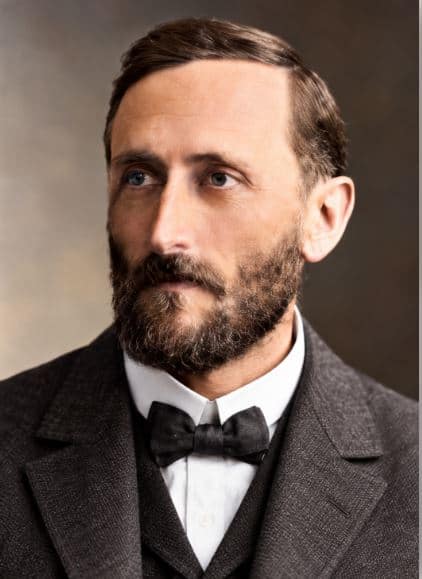
Who Was Frank Bartleman?
Frank Bartleman (1871–1936) was an American evangelist, missionary and prolific writer who became one of the most important eyewitnesses of the early Pentecostal revival in Los Angeles. His reports connected prayer meetings and holiness congregations with readers far beyond California.
He did not found or lead the Azusa Street Mission: William J. Seymour led that congregation. Bartleman’s distinctive contribution was to pray for awakening, participate in the emerging revival and preserve its history in writing. His work shows that the intercessor and the chronicler may serve a movement as meaningfully as the person on the platform.
Early Life, Conversion and Calling
Born on 14 December 1871 in Pennsylvania, Bartleman was converted in 1892 and subsequently received a licence to preach through a Baptist congregation. He studied for a period at Moody Bible Institute, but much of his formation came through personal Bible study, evangelism and practical service.
His early ministry included rescue-mission work and ministry among people often neglected by established congregations. He was drawn to the holiness movement’s emphasis on repentance, consecration and practical obedience to Christ. His ministry was often itinerant and financially insecure rather than an easy path to public recognition.
Family, Sacrifice and Grief
In 1900, Bartleman married Anna Ladd. Their family life unfolded alongside frequent moves and the uncertainties of evangelistic ministry. They reached California in 1904, where he worked in holiness and rescue-mission settings.
After the family moved to Los Angeles, their young daughter Esther died in early 1905. Biographical accounts describe the loss as a deeply painful turning point. His continued ministry should not obscure the real grief and family responsibilities he carried.
The Welsh Revival and the Hunger for Awakening
In 1905, Bartleman followed news of the Welsh Revival and corresponded with Evan Roberts. Reports from Wales encouraged believers in many places to seek renewed prayer and spiritual awakening.
Los Angeles already contained several congregations and prayer groups seeking revival. Bartleman’s writing records this wider setting, helping us see that the events at Azusa Street emerged in a city where many Christians had been praying and searching for a deeper work of the Holy Spirit.
Prayer Before Publicity
Bartleman saw prayer, repentance and humility as essential to genuine awakening. He warned against seeking religious excitement or human recognition while neglecting the inward condition of the Church.
His example challenges a generation that can publicise a meeting instantly. Publicity can spread news of a revival, but it cannot manufacture spiritual life or substitute for holiness, prayer and love.
— James 5:16 (KJV)
April 1906: The Outpouring in Los Angeles
In April 1906, prayer gatherings led by William J. Seymour experienced the outpouring associated with the beginning of the Azusa Street Revival. The meetings began in a home on North Bonnie Brae Street and soon moved to 312 Azusa Street.
Bartleman witnessed and participated in the wider Pentecostal awakening. His reports described prayer, worship, speaking in tongues, conversions and testimonies of healing. These reports preserve participants’ understanding of the events; individual extraordinary claims should be distinguished from independently verified historical facts.
William J. Seymour and the Azusa Street Mission
Seymour, an African American holiness preacher, led gatherings that challenged the racial and social barriers of early twentieth-century America. Bartleman reported on the revival and helped communicate its significance to readers elsewhere.
Their contributions were different and complementary: Seymour shepherded the congregation, while Bartleman used evangelism and writing to carry the news. Bartleman’s importance should never erase Seymour’s central leadership or the ministry of women and other workers involved in the revival.
The Holy Spirit, Tongues and the Purpose of Power
The early Pentecostal believers looked to Acts 2, Acts 10 and Acts 19 as they sought to understand Spirit baptism and speaking in tongues. Bartleman shared their conviction that the gifts of the Spirit remained relevant to the Church.
Yet the biblical purpose of spiritual power is larger than a particular manifestation. Acts 1:8 connects the Holy Spirit with witness, and 1 Corinthians 12–14 requires that gifts operate in love and build up the Church. Revival must produce obedience to Christ, not merely an appetite for remarkable experiences.
How His Writing Spread the Revival
Bartleman contributed articles and reports to religious periodicals, helping readers across the United States and beyond follow events in Los Angeles. Historians recognise his writing as an important part of the revival’s reception and expansion.
His work was not detached journalism: he was a committed participant who believed that God was renewing the Church. His eyewitness accounts are invaluable, but they should be read alongside other contemporary records, including the Azusa mission’s newspaper, The Apostolic Faith.
How Pentecost Came to Los Angeles
In 1925, Bartleman published How Pentecost Came to Los Angeles: As It Was in the Beginning, his best-known work. It records his recollections of the prayer movements and Pentecostal awakening in Los Angeles.
The book has appeared under other titles, including Azusa Street and Another Wave Rolls In. Some later editions abridge or edit the original. Readers doing historical research should identify the particular edition they are using and compare it with the original text where possible.
Mission Beyond Azusa Street
Bartleman continued evangelistic work, wrote extensively and travelled in connection with missionary activity, including ministry outside the United States. He did not view revival as a single event to be admired from a distance.
His ministry demonstrates the relationship between spiritual awakening and service: prayer should strengthen the Church’s commitment to evangelism, discipleship and care for others.
Disagreements and Historical Discernment
The early Pentecostal movement experienced tensions over doctrine, leadership and organisation. Bartleman had strong convictions and was not a neutral observer of every dispute.
Recognising his perspective does not diminish his testimony. It allows readers to value him as a primary source while checking chronology and competing interpretations against other documents and careful historical scholarship.
Final Years and Legacy
Bartleman continued writing and ministering after the early years of the Azusa Street Revival. He died on 23 August 1936, leaving books, tracts and articles that remain significant to Pentecostal history.
His legacy is the preservation of a movement’s early testimony. Because he wrote, later generations can study not only what participants believed happened but also the prayers, expectations and concerns that shaped their experience.
Five Lessons from Frank Bartleman’s Life
1. Intercession is a ministry in its own right. The value of prayer is not measured by public recognition.
2. Revival requires more than excitement. Holiness, repentance and love matter as much as remarkable experiences.
3. Writers can serve across generations. A faithful record may influence people long after the writer’s death.
4. Preserve testimony without exaggeration. Distinguishing eyewitness accounts from independently verified claims strengthens credibility.
5. Spiritual hunger should lead to service. Bartleman’s evangelism reminds us that revival must reach beyond the meeting place.
Frequently Asked Questions
Who was Frank Bartleman? An American evangelist, missionary and writer whose eyewitness accounts document the early Pentecostal revival in Los Angeles.
Did Bartleman lead the Azusa Street Revival? No. William J. Seymour led the Azusa Street Mission; Bartleman participated in the wider awakening and wrote about it.
What is his most famous book? How Pentecost Came to Los Angeles, first published in 1925 and reissued under several titles.
Did he write about revival before Azusa Street? Yes. He followed the Welsh Revival and wrote about prayer and awakening before the April 1906 outpouring.
When did he die? 23 August 1936.
Final Reflection: Do Not Only Admire the Fire
Bartleman reminds us that revival history is not simply a record of extraordinary meetings. It is also the story of people who prayed when there was little to see, served when there was little applause and faithfully recorded what they witnessed.
The Church needs intercessors, evangelists and writers who value truth as well as spiritual fervour. The challenge is not merely to read about yesterday’s fire but to seek God and obey Christ today.
Recommended Books & Further Reading
These books provide firsthand testimony and historical context. Click a title to explore the book on Amazon.
- How Pentecost Came to Los Angeles — Frank Bartleman. Bartleman’s original account of the revival.
- Azusa Street: An Eyewitness Account to the Birth of the Pentecostal Revival — Frank Bartleman. A widely available edition of Bartleman’s account.
- The Azusa Street Mission and Revival — Cecil M. Robeck Jr.. A detailed historical study of the mission and its context.
- William J. Seymour and the Origins of Global Pentecostalism — Gastón Espinosa. A scholarly account of Seymour and the movement’s international influence.
As an Amazon Associate, I earn from qualifying purchases at no additional cost to you. The first link is the direct affiliate link supplied by Fire Trail; the remaining links are affiliate-tagged Amazon searches for available editions.